A home may have fine views, attractive architecture and an excellent location. But if its orientation does not work with the layout, the terraces and everyday use, some of those qualities lose their impact.
In Marbella, where outdoor spaces are used for much of the year, orientation is not a technical detail. It shapes light, temperature, privacy, energy consumption and even the hours during which a terrace can actually be enjoyed.
The best orientation is not always the same. It is the one that best suits the home, its surroundings and the way its occupants live.
Orientation is not analysed with a compass alone
Saying that a home faces south provides information, but it is not enough on its own to assess it.
You also need to study which rooms receive that orientation, when the sun comes in, whether buildings or vegetation cast shade, how the home performs in summer and how the interior relates to the outdoor spaces.
Two south-facing villas can offer very different experiences. One may receive natural light in a balanced way while another suffers excessive solar gain in certain rooms. The difference usually lies in the architecture: the depth of the porches, the position of openings, glazing, solar shading and the interior layout.
South-facing: light and continuity throughout the year
A southern orientation is particularly prized because it brings light for much of the day and allows terraces and gardens to be used for longer.
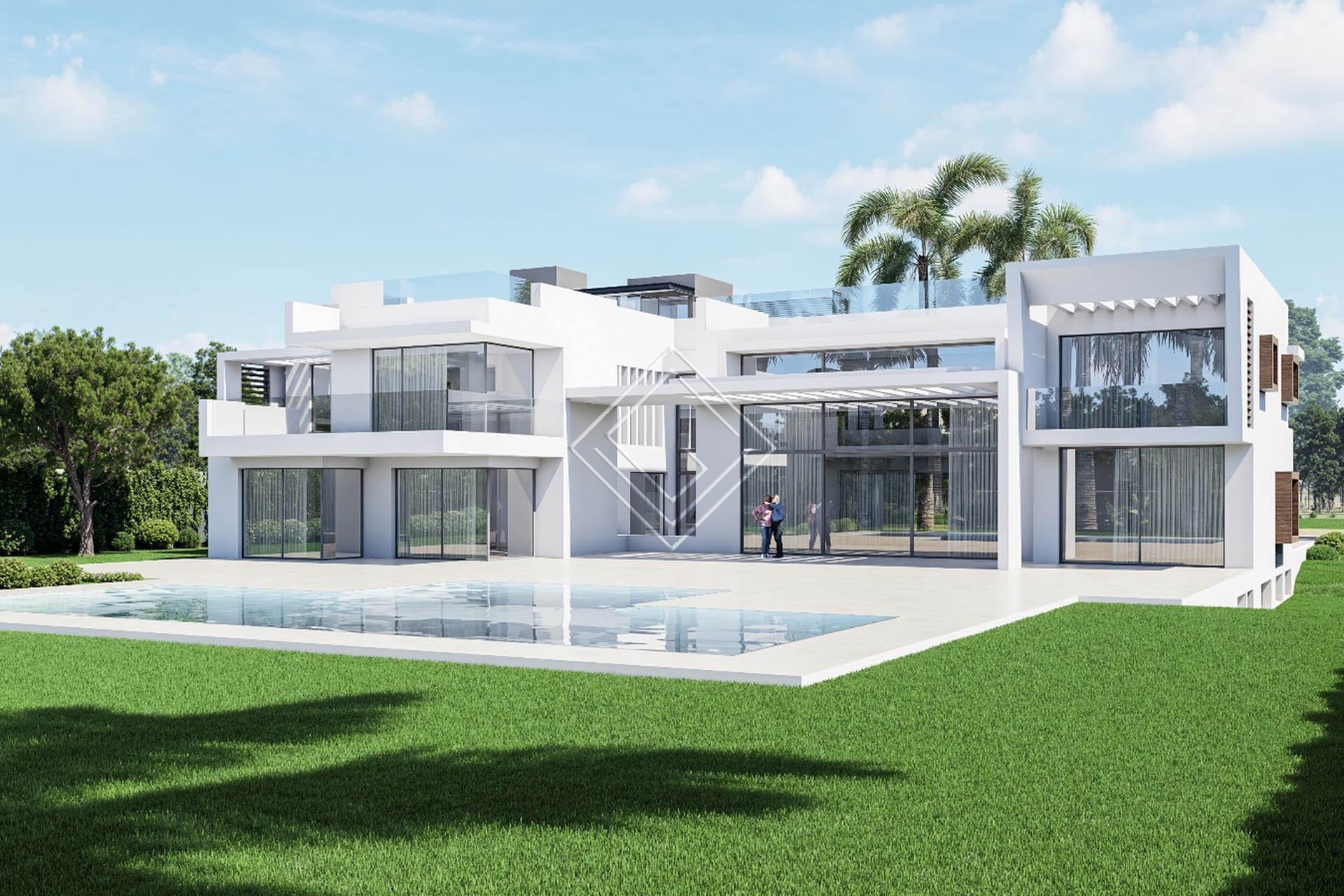
When well executed, it provides brightness in winter and allows the higher summer sun to be controlled by porches, overhangs or shading elements. That is why it works especially well when the main living areas open onto that façade.
However, a large expanse of south-facing glazing without adequate protection can lead to overheating. The orientation is favourable, but it needs architecture capable of managing it.
South-east: a very balanced orientation for Marbella
South-east-facing homes receive the morning sun and tend to stay cooler during the last hours of the day.
It is a particularly pleasant orientation for bedrooms, kitchens, breakfast areas and terraces used from early in the day. It can also appeal to those who value brightness without wanting intense exposure to the setting sun.
In many properties in Marbella, the south-east offers an excellent balance between light, thermal comfort and use of the outdoor spaces.
South-west and west: sunsets with greater sun exposure
South-west and west orientations are often associated with bright afternoons and beautiful sunsets. This can have significant emotional and commercial value, particularly when the terrace, pool or views follow that orientation.
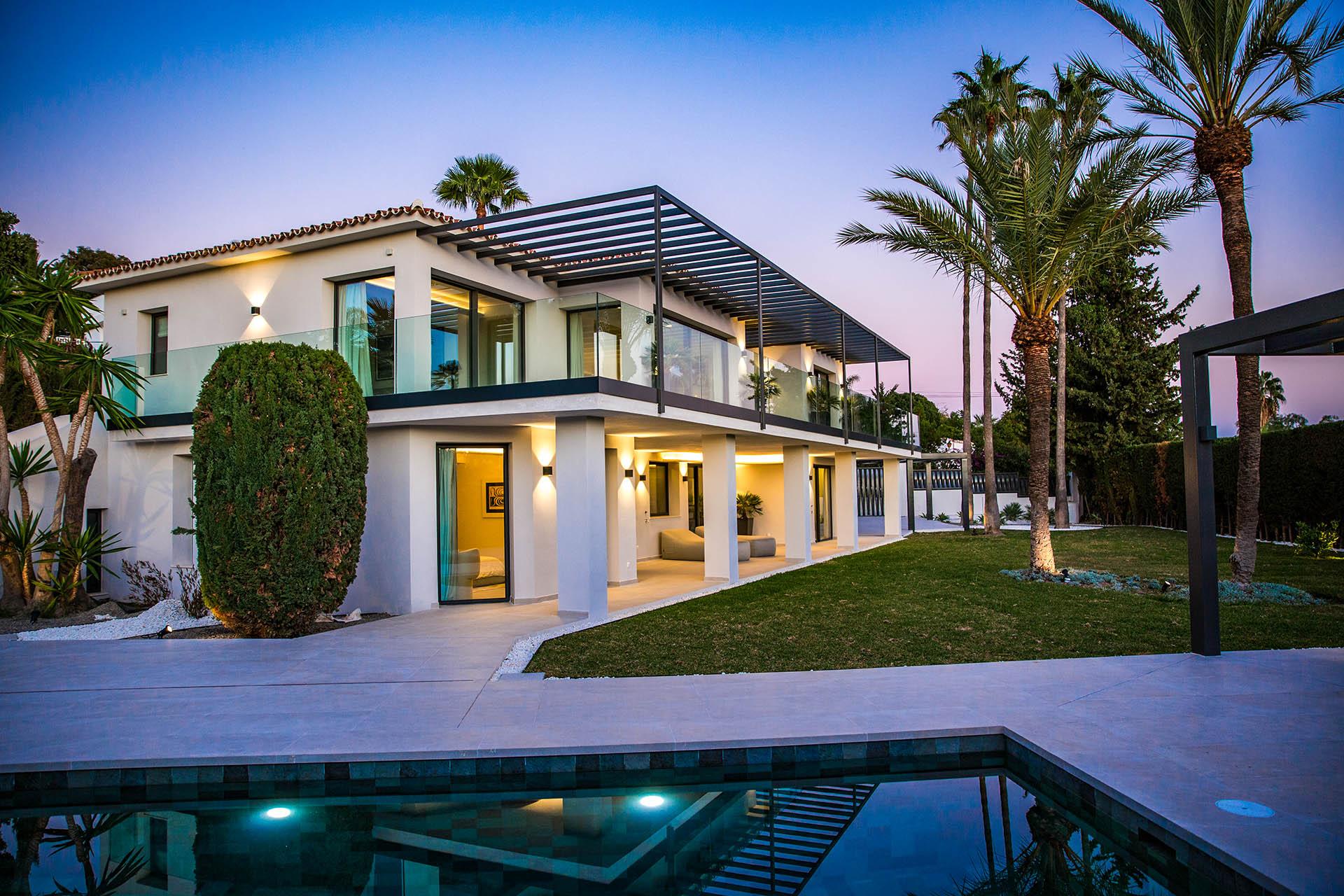
On the other hand, the afternoon sun strikes at a low angle and can be intense during the warmest months. In these cases, deep porches, shutters, lattice screens, planting and the type of glass are decisive.
This is not about seeing the west as a negative orientation. It is about checking whether the home is designed to enjoy it without the heat limiting the use of its main spaces.
A north-facing orientation can also work
A northern orientation usually receives less direct sun, but it can provide more even light and pleasant temperatures in summer.
In Marbella it can work well for certain rooms, patios, work areas or homes used mainly during the warmer months. It can also be a reasonable consequence of prioritising exceptional views, greater privacy or a particular relationship with the plot.
The problem is not the northern orientation itself, but a home that is dark, damp or poorly laid out. With ventilation, good natural light and coherent architecture, it can offer very satisfying comfort.
The terrace matters as much as the living room
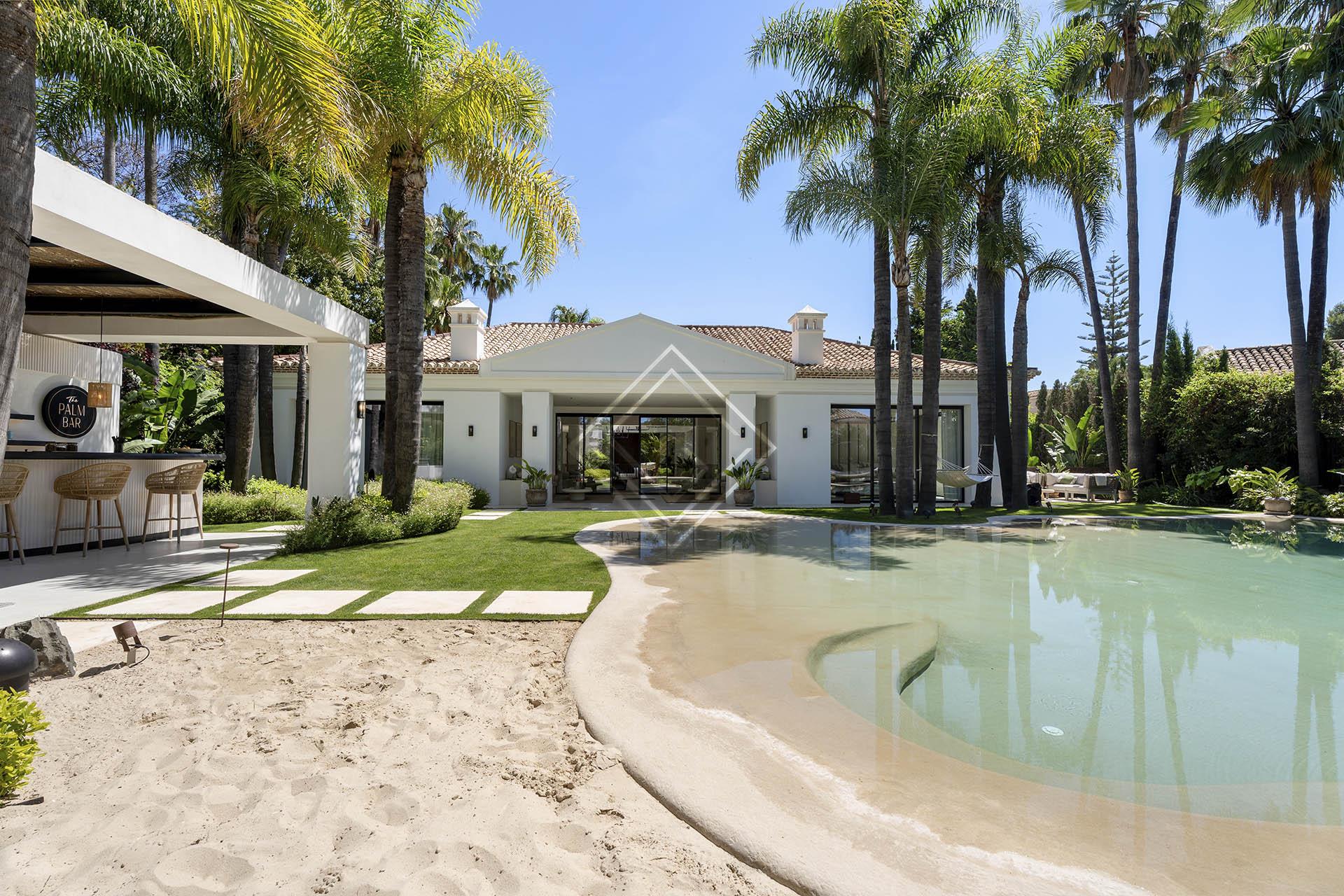
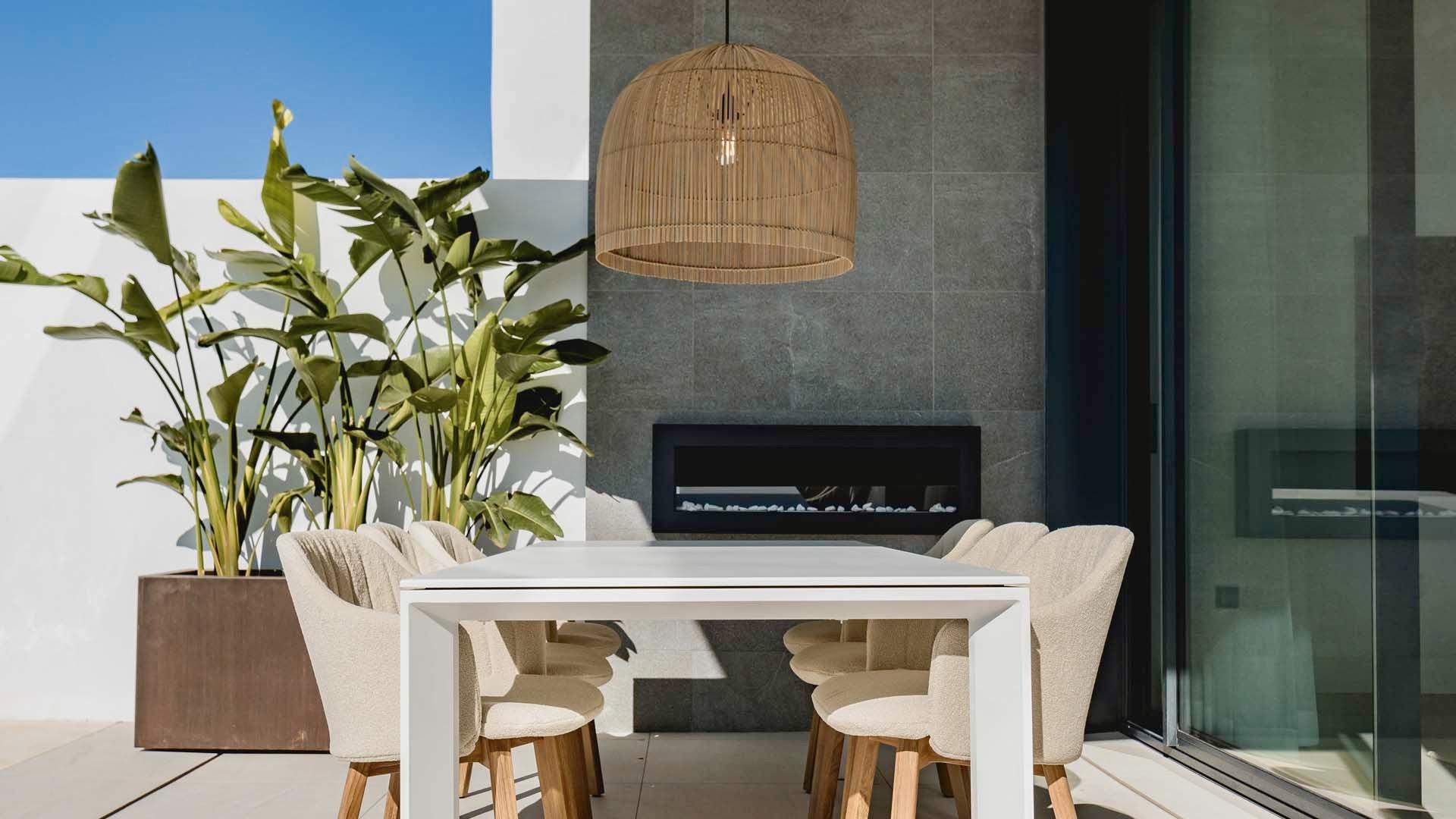
In Marbella, an essential part of life at home takes place outdoors. That is why it is not enough to analyse the orientation of the building: you need to study that of the terraces, the pool, the garden and the outdoor dining areas.
A west-facing terrace may be perfect for enjoying the sunset but uncomfortable at midday if it has no shade. An east-facing terrace may be wonderful for breakfast and see little use in the afternoon. A pool that falls into shade early may be less appealing even when the villa has a good overall orientation.
Orientation should be read by use and time of day, not as a single characteristic applied to the whole property.
The plot and its surroundings can change everything
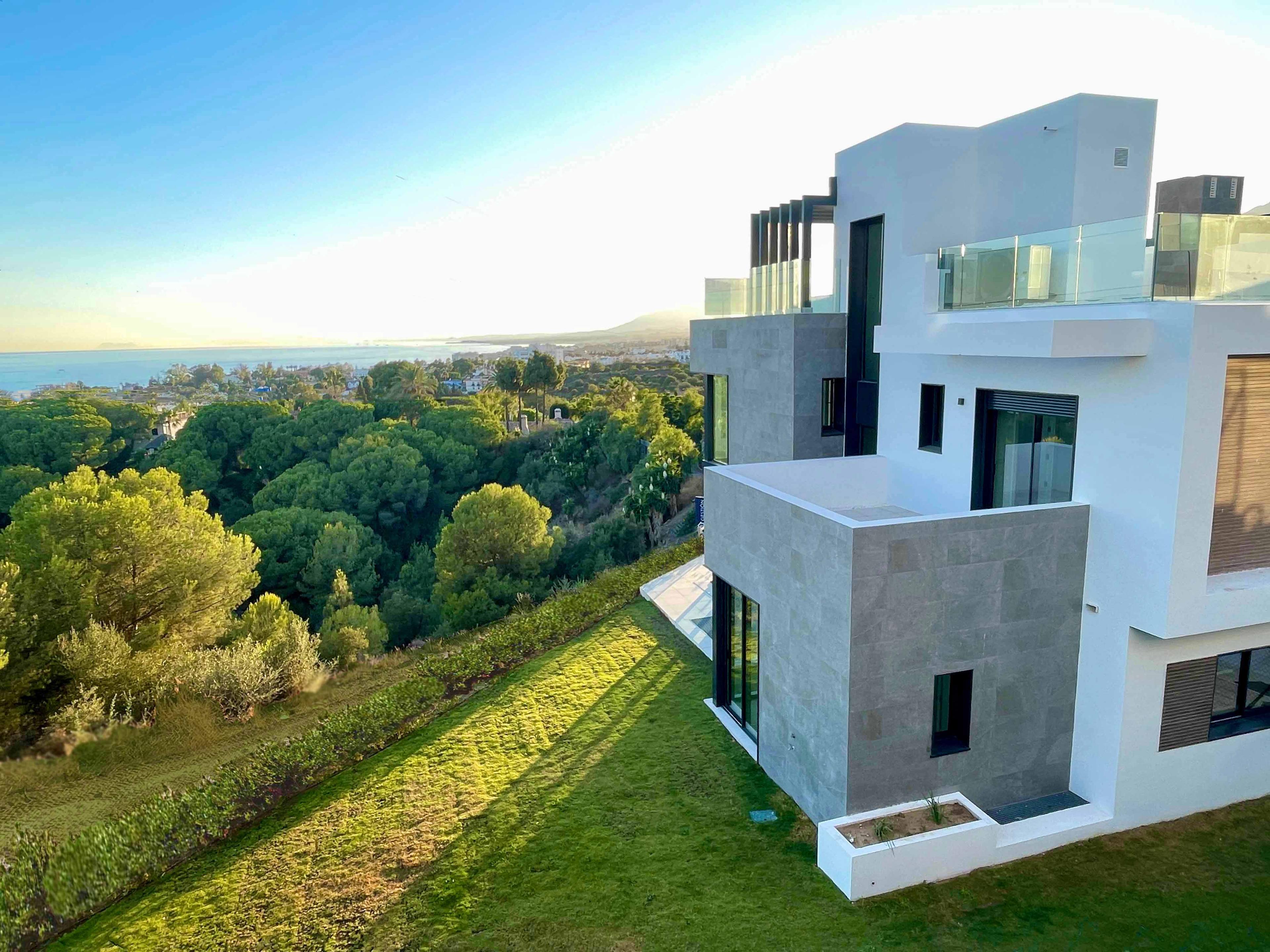
Topography, vegetation, the distance between homes and the position of nearby buildings can completely alter how light enters.
An elevated home may keep the sun for longer and offer wider views. Another located near a slope, a wall or a stand of trees may fall into shade earlier than its theoretical orientation suggests.
This is one of the reasons why micro-location has such an influence on the value of a property in Marbella. Orientation cannot be separated from the plot and what happens around it.
How we analyse orientation before buying
A single visit can give the wrong impression. A home viewed in the morning will not behave the same way in the afternoon, and the position of the sun changes considerably between summer and winter.
Before buying, it is worth checking:
- The orientation of the main rooms and outdoor spaces.
- The hours of direct sunlight on terraces, garden and pool.
- The depth and effectiveness of porches and solar shading.
- Cross-ventilation and the possibility of cooling the home naturally.
- The relationship between orientation, views and privacy.
- Any obstacles that might cast shade.
- The thermal performance of large glazed areas.
These factors are part of the criteria we analyse as architects to recognise a truly good villa.
How orientation affects the value of a home
A good orientation does not determine the price on its own, but it can broaden demand and strengthen perceived value.
Buyers tend to respond better to bright homes with usable terraces, rooms that are pleasant throughout the day and a balanced relationship between sun, shade and views. When these qualities are properly explained and shown, orientation becomes an objective argument for defending the value of the property.
The opposite is also true: a theoretically favourable orientation loses its strength if the layout does not make the most of it or if the architecture does not adequately control solar radiation.
The best orientation is the one that lets you live better
There is no universal answer. A family who enjoys mornings may prefer the south-east. Someone who uses the terrace at the end of the day may value the south-west. And a buyer who prioritises exceptional views may accept a less conventional orientation if the home is well designed.
The key is to understand how the property behaves, not to reduce it to a point on the compass.
At GV Marbella we analyse every home from both a property and a technical perspective. If you are considering buying or selling a property and would like to understand how its orientation, architecture and plot affect its positioning, you can contact our team.