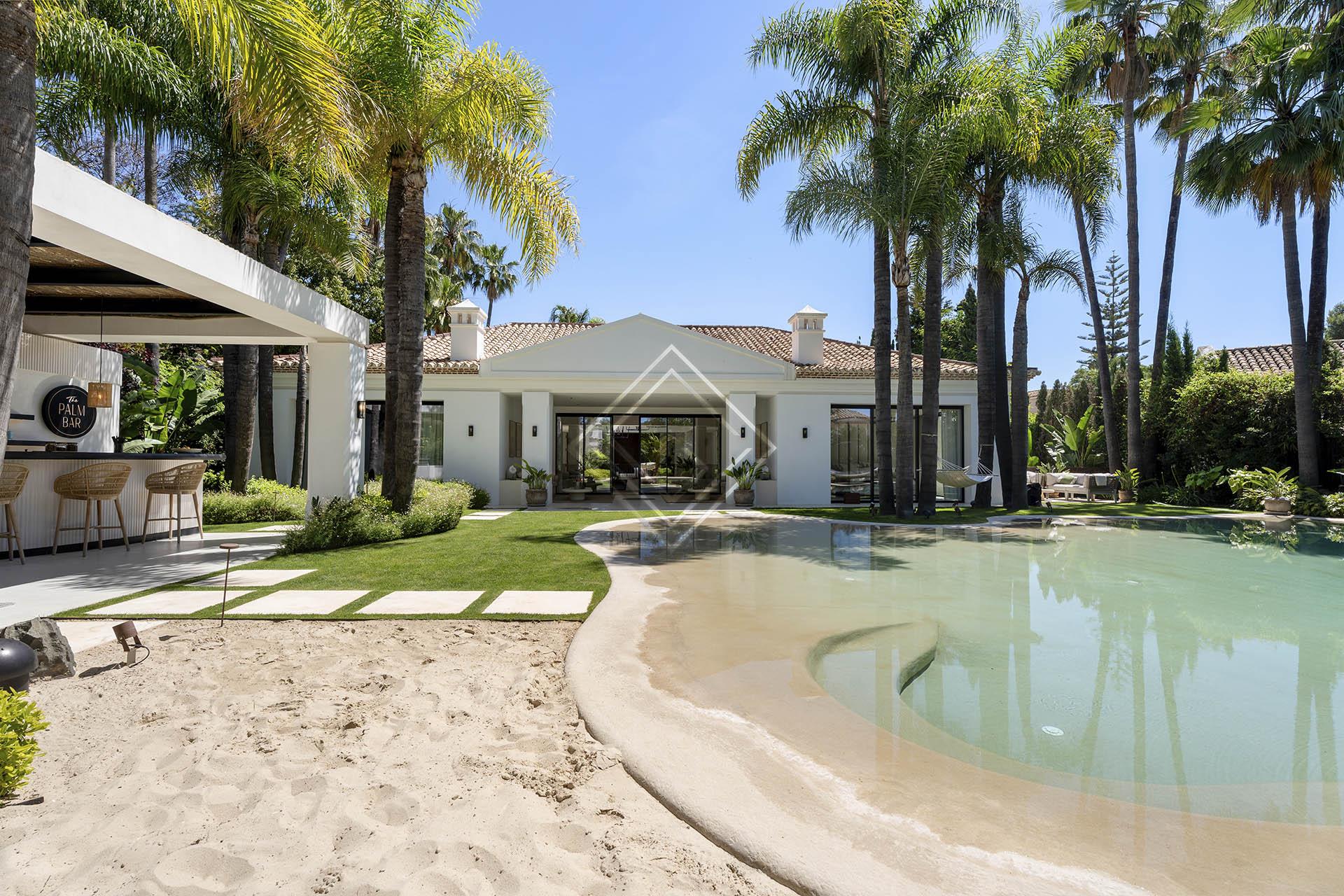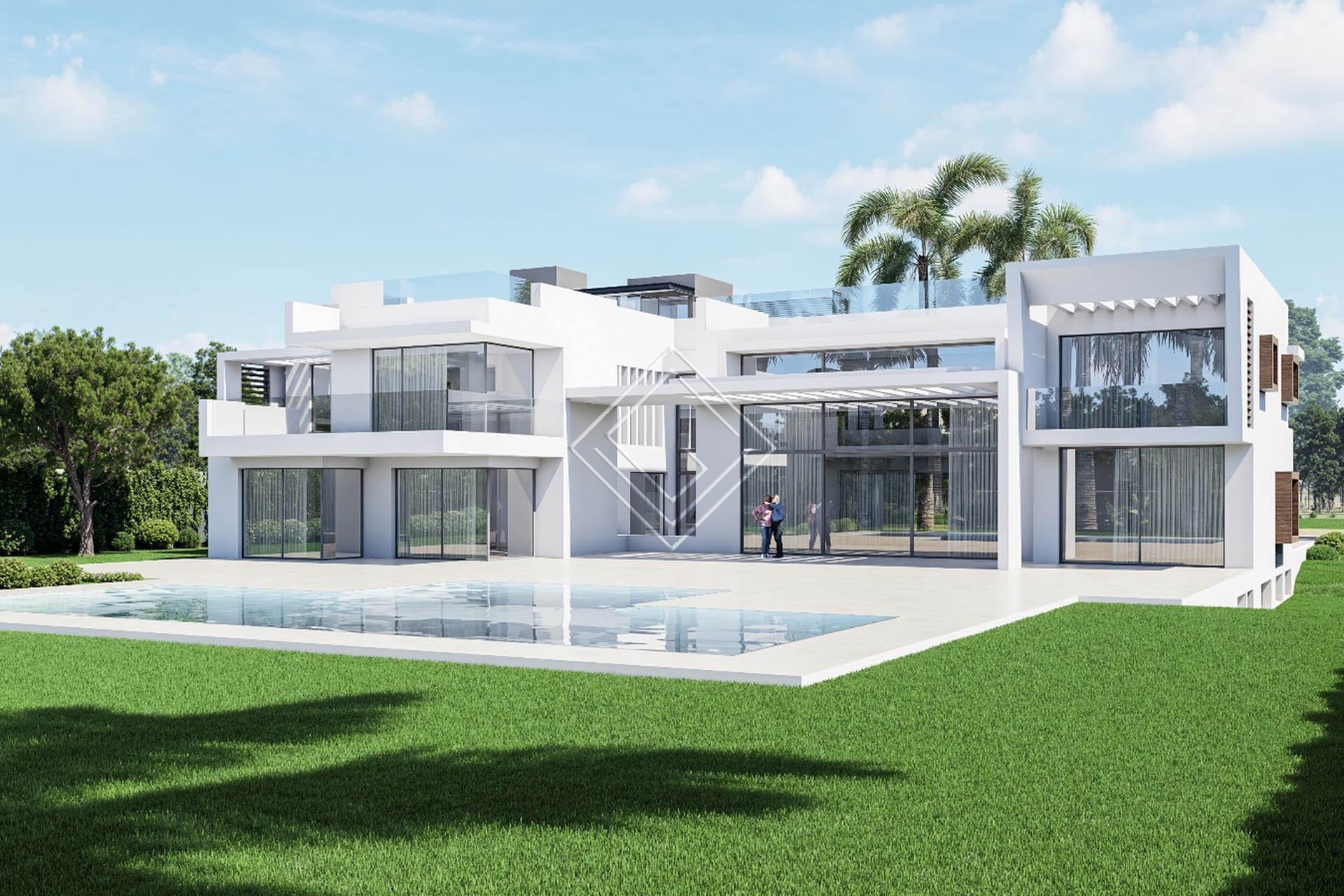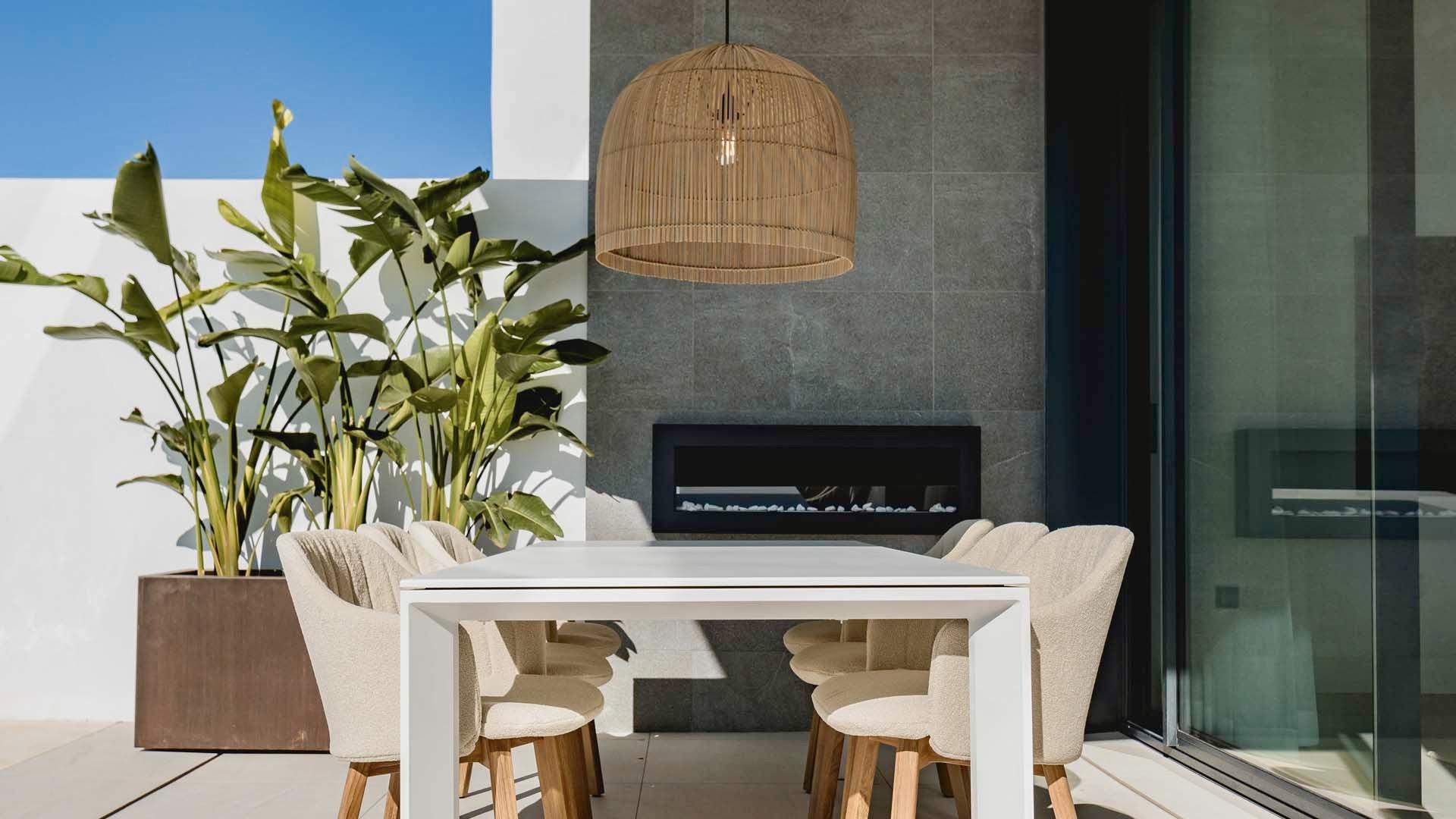
Two homes can share the same area, floor space, number of bedrooms and apparent condition, yet have very different values. This difference often comes as a surprise because property listings reduce each home to a series of easily comparable data points. The market, however, values many attributes that do not fit in a table.
Understanding these differences helps buyers to compare rigorously and owners to defend value without relying solely on the price per square metre.
Square metres do not describe the experience
A large floor area may be taken up by corridors, double-height spaces of little use or rooms that are difficult to furnish. A somewhat smaller home may offer better proportions, more light and a clearer connection with the outdoors.
Value does not depend only on how many square metres there are, but on how they work. The efficiency of the layout can significantly change perception and demand.
The exact position changes the value
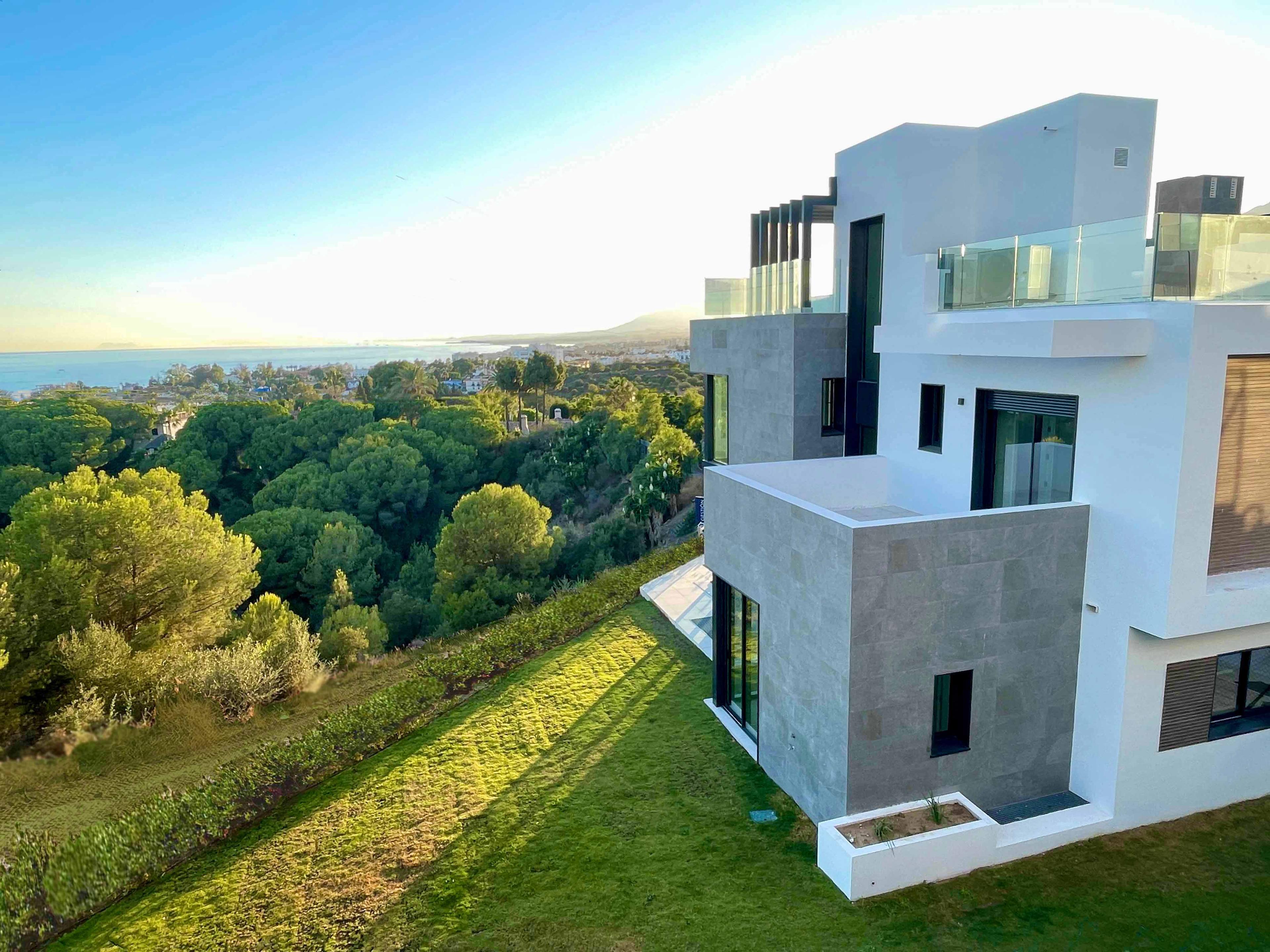
Within the same development, orientation, noise, access, privacy and views all vary. A frontline golf property does not appeal to the same market as one set further back. An elevated villa with protected panoramic views is not comparable with another whose view could disappear.
The micro-location explains many differences that a general analysis by area fails to detect.
The plot can be the main asset
Shape, slope, vegetation and the relationship with the neighbours determine the quality of a plot. Two plots of the same size can offer opposite experiences.
A flat, private, well-oriented plot is usually easier to use and to renovate. When it is also scarce in its surroundings, it can justify a significant part of the difference in price.
Architecture ages unevenly
Some homes retain their appeal because they respond to a coherent idea. Others depend on trends that lose strength or on a layout that is difficult to adapt.
Proportions, structure, ceiling height and the relationship between spaces determine a house's ability to remain relevant. Changing finishes is relatively simple. Correcting poorly resolved architecture can be costly or impossible.
Renovations are not valued only by their cost
An expensive renovation does not guarantee an equivalent increase in value. The market distinguishes between an intervention that improves installations, layout and efficiency and one focused on highly personal finishes.
The quality of the work, its documentation and how well the decisions taken stand the test of time matter more than the amount invested on its own.
Technical condition affects risk
Roofs, waterproofing, windows and doors, climate control and electrics are not always visible during a viewing. Their condition influences future costs and therefore the buyer's willingness to pay.
A technically well-maintained home can justify a higher price because it reduces uncertainty and can be used without immediate intervention.
Privacy does not appear on the listing
The distance from neighbours, sightlines from other plots and the exposure of the pool and terraces affect everyday life. Privacy is particularly valuable in markets where the best locations are established and new plots cannot easily be created.
Two houses that are similar on paper can offer completely different degrees of seclusion.
Views have quality and permanence
Seeing the sea from one room is not the same as enjoying a panorama integrated into the main areas of the house. It also matters whether the view is protected or depends on a vacant plot that could be built on.
Breadth, orientation, foreground and permanence determine the real value of a view.
Documentation influences the transaction
A property with clear floor areas, documented renovations and an orderly planning status conveys confidence. One with doubts may require time, advice and adjustments before completion.
That difference in friction is reflected in the price, even if the homes look equivalent in photographs.
Demand is not identical for all property types
The market values each property according to the number and quality of buyers for whom it is suitable. A one-of-a-kind villa may attract fewer interested parties but generate greater conviction in the right profile. A more generic one may receive more viewings and compete directly with many alternatives.
Liquidity depends on the value proposition being clear and connected with the right audience.
At GV Marbella we do not value a home by adding up isolated features. We analyse location, plot, architecture, condition, documentation and demand to understand why the market distinguishes between apparently similar properties.